In the fast-moving market of property development, timing is everything. Opportunities to buy, refurbish, and sell properties for commercial usage appear without warning and disappear just as quickly. Developers need speed and flexible funding, bridging loans have become one of the most effective tools available.
Bridging finance allows a developer to quickly buy a property or fund a refurbishment project bypassing the traditional wait for mortgage approvals. It is a product that is designed around speed of movement, flexibility, and being easy to access, all of which makes it the best option when dealing in competitive property markets.
Our blog is aimed at teaching how commercial investors can best use bridging loans strategically to fund property flips, manage cash flow, maximise returns, and keep costs and risks under control.
What a commercial property flip involves
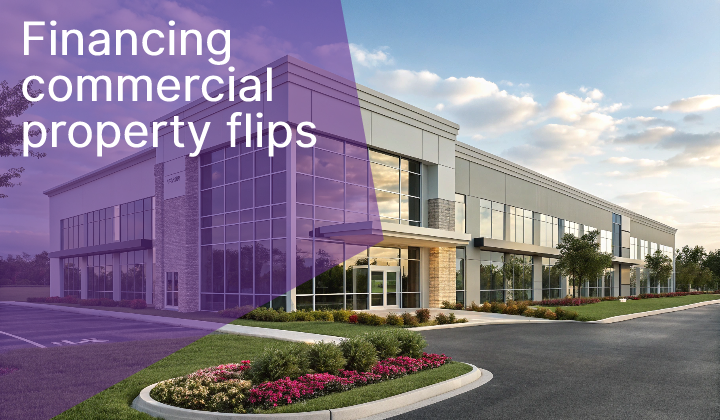
A commercial property flip is when a developer buys a property, and increases the potential return on their outlay by carrying out refurbishment or redevelopment, and sells it for profit within a short timeframe. These projects can deliver excellent returns if handled and executed right, but they require both immediate funding and getting things complete in a timely manner.
Unlike long-term investments, commercial flips depend on securing capital quickly, completing improvements efficiently, and exiting before market conditions change. Bridging finance supports those wanting to go down this route by using short-term funding that can be repaid once the property is sold or refinanced.
Why developers use bridging loans for property flips
Traditional bank lending moves along far too slowly for developers where deadlines are looming or under the threat of being missed. Commercial mortgages can take months to approve, while sellers and auction houses expect immediate completion.
Bridging loans solves this problem by offering:
- Speed: Funds can often be released within days of approval.
- Flexibility: Loans can cover purchase, refurbishment, or both.
- Short terms: Loan terms can typically range from 3 to 18 months.
- Ease of approval: Decisions are based on asset value and how the loan is intended to be repaid as opposed to doing diligence such as credit checks.
By utilising such a product, a developer or investor is much more able to move fast, seize undervalued opportunities, and recycle capital through multiple projects in a year.
How bridging finance works for commercial projects
Bridging loans are secured against property or other assets. The amount you can borrow is based on the property’s value and your exit plan, rather than income or long-term affordability.
Here is why this is the ideal finance vehicle for a property flip:
- Purchase stage: You find a commercial building that holds good return potential and negotiate a favourable price.
- Funding stage: You apply for bridging finance, usually borrowing up to 70 or 75 percent of the property’s value.
- Refurbishment stage: You use the funds to complete renovations or improvements that increase market value.
- Exit stage: You sell the property for profit or refinance it with a long-term loan, repaying the bridge in full.
You can repeat this way of accessing finance across multiple projects, giving developers continuous access to capital for new deals.
Estimating the cost of bridging finance
Understanding how much you need to pay back is paramount before using bridging loans. Rates and fees vary depending on the property, lender, and duration, but the main expenses include:
- Monthly interest: Usually between 0.6 and 1.5 percent per month.
- Arrangement fees: Around 1 to 2 percent of the loan amount.
- Valuation and legal fees: Paid upfront as part of the application process.
- Exit fees: Sometimes charged upon repayment, typically 1 percent.
Because bridging loans are short term, their total cost is calculated largely on how quickly you complete the project and repay the loan. Efficient strategy on how you plan to repay or exit the loan agreement is important in lowering the interest expenses.

Best practices for using bridging loans effectively
To maximise profit and minimise risk, developers need a smart approach to development financing. You can give yourself the best chance of success by using the below steps:
1. Move fast with pre-approval
Property opportunities rarely wait. By arranging pre-approval or an agreement in principle with your lender, you can act immediately when the right property appears. Goldhill Finance helps clients secure pre-approved limits so they can move quickly without delays.
2. Prepare your proposal on realistic loan-to-value ratios
Borrowing within a safe loan-to-value range (typically 65 to 75 percent) is one of the key factors that lowers your interest rate. It also demonstrates to the lending party that you have enough equity in the project to manage risk responsibly.
3. Have a well-defined exit route
How you make the repayment on your loan facility is the most important part of any bridging loan. Whether you plan to sell the property, refinance it, or lease it out, lenders need to see and be confident in your ability to make the payment back after the completion of your loan term.
Developers who underestimate project timescales often will find themselves paying extra interest. It is best to make sure you have a few exit options available so that there are no surprise delays coming to the end of your loan agreement.
4. Use bridging loans for both purchase and refurbishment
It is common to use bridging loans not only to buy a property but also to fund the refurbishment costs. This is often known as refurbishment bridging finance. Lenders release funds in stages as work progresses, which helps you manage the project more efficiently and stay on schedule.
This can be beneficial particularly when dealing with properties that are unmortgageable in their current condition, such as vacant or rundown commercial units.
5. Work with an experienced broker
It can be confusing and overwhelming to have to deal with multiple lenders, rates, and loan structures. A specialist broker like Goldhill Finance compares offers, negotiates better options and builds the loan around your needs and requirement.
6. Keep an eye on your budget spend
Make sure to calculate your projections and spending properly, even slight deviations can lead to going over budget quickly. Maybe consider taking a little extra out on your loan to allow for some manoeuvring.
7. Consider the profits and how you will use them
When the property has sold, and you have realised the profits. Decide on how you will best use these, it may be wise to keep your trust with the lender going and start on your next project whilst the iron is hot.
Common pitfalls to avoid
As with any financial product, there are pitfalls and potential disasters that can happen. It is always wise to make sure you are aware of what these may be, namely:
- Overestimating value of your sell on: Properly evaluate the market, have you looked at the data to get a true price point picture?
- Don’t let delays derail you: Keep a firm check on your works, is everything going to plan? Delays not only lead to frustration, but could be costly
- Do market comparison on lenders: Always consider and receive multiple offers, this way you be sure you have chosen the best option for your needs.
- Make sure your exit is strong: Lenders need to know how best you can make your payment back. Consider all possibilities to make sure that the option you take helps you to pay back the money owed, and have some left over for future investing.
By anticipating these challenges, developers can use bridging finance with confidence and control.
Speed goes a long way
Working with a lender that can get things done quick is best for you. Avoid delays and make moves fast to get a positive outcome.
Final takeaway
Make sure you have done your homework and considered all elements to determine if this is the right move for you. Speak to Goldhill Finance today If you are planning a commercial property flip or looking for bridging finance for development, we will help you make wiser financial choices for your long-term stability and growth.