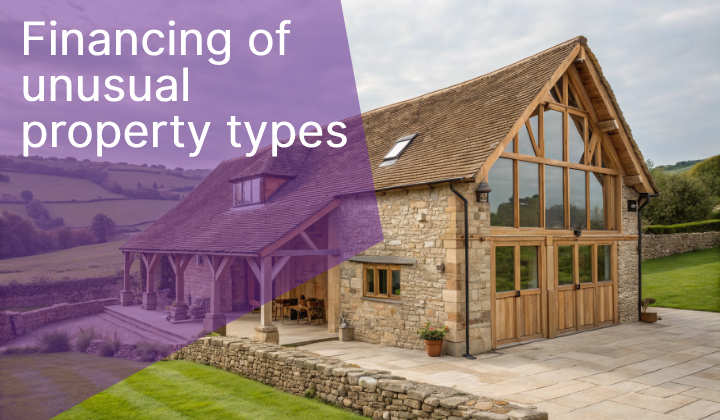
Some properties simply don’t fit what lenders like. When it comes to properties like converted barns, part-commercial setups, rundown shells, or buildings poorly put together these tend to be what banks dislike. Mainstream lenders will typically not proceed with finance on these property types, but bridging can keep them alive.
What counts as “unusual”
If it is not something that falls in line with their criteria, you will not qualify. This applies to buildings which include:
- old conversions
- flats above business premises
- homes built using uncommon materials
- places without basic facilities within them
- properties hit by planning or title issues
If a property isn’t straightforward to finance, a bank would tend to stay clear from even considering it. Bridging works as a solution as the property doesn’t need to be perfect in the first place.
Why bridging succeeds where banks don’t
Banks follow rigid rules. With so many boxes to tick, its not uncommon for one or two missed items to make everything collapse. A bridging lender will consider what actually matters: property value, your ability to make payments, and if your plan of exit is sound enough.
Getting the valuation right
When it comes to unusual properties, the valuation carries a lot of weight. Use a valuer who understands the property type and give them anything useful, local comparisons, planned works, or details they wouldn’t know. If the report flags issues, tackle them early so the case doesn’t stall.
Why the exit plan matters
Bridging only works if the repayment route is clear. Whether the borrower aims to sell once the work is finished or refinance when the place is mortgage-ready, the lender needs evidence it’s realistic, buyer interest or approval from a future lender both help.
Borrower experience carries weight
Lenders want to see clearly demonstrated evidence and projection that a borrower can handle thier project:
- Signs of previous refurb works completed
- Evidence of earlier investments they’ve worked on successfully
- Having a a reliable team coupled with competent organisation can make up for a lack of perceived experience.

A well-structured deal
Unusual properties often need a loan shaped around the project, maybe a lower initial advance or staged funding. Make sure to show the full cost and leave some wiggle room so the lender can see the borrower won’t run out of funds halfway through.
Fix legal snags early
Odd properties often bring legal complications along for the ride: Missing documents, shared access, odd boundaries, or multiple titles. Get a solicitor on it early. Sort what you can and explain anything that you haven’t managed to clear up so the lender isn’t surprised later.
Presenting the case clearly
A clean submission speeds things up. Set out:
- What the property is
- The reason why normal lending isn’t available
- The borrower’s plan
- Timeline
- How the loan’s going to be repaid
When you present your case to a lender make sure to let them about anything you’ve already sorted.
Preparing the client
Clients often make the assumption that a bridging facility is just a quicker alternative to a mortgage. They need costs that actually reflect the job, a workable plan, and evidence they’ve thought things considerably and properly. Once they know lenders care about the plan more than the property’s charm, the process moves faster.
Turning awkward assets into workable deals
The properties banks reject often become some of the best opportunities once sorted out. Bridging gets these projects moving. With an easy to see plan and a lender that’s on your side, a problem property can become something the client can actually use.