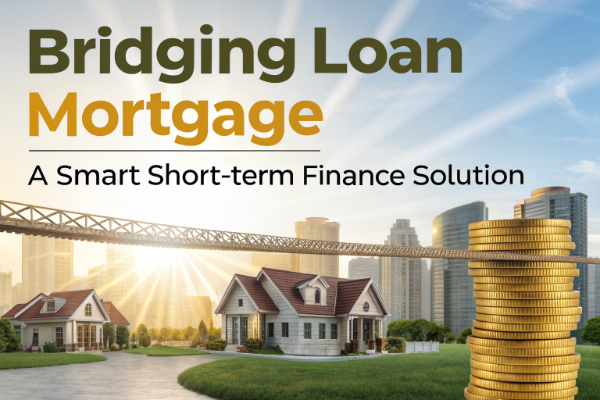
Timing is everything in the UK property market. From buying at auction to waiting for a sale to complete or even renovating an uninhabitable property, we understand that a standard mortgage isn’t always the answer. However, this is where a bridging loan mortgage comes into its own, this short-term finance can help to bridge the gap that a traditional loan simply can’t cover.
Firstly, what is a bridging loan mortgage?
To put it simply, a bridging loan mortgage is a form of bridging finance that acts as a short-term loan which is secured against property. With a conventional mortgage you repay over decades with monthly instalments, a bridging loan is usually taken out for up to 12 months (24 months with a payment plan in place) and is repaid once a long-term solution has been put into place.
This type of loan is commonly used when time is critical, for example, if you’ve agreed to buy a property but yours hasn’t sold yet, or if you find an opportunity in which a standard mortgage simply can’t accommodate due to the slow lending timelines.
Why are bridging loans becoming more popular?
Over recent years the UK bridging loan market has grown significantly and will only continue to expand.
The market reached £10.3 billion of total lending by the end of 2024 and was expected to reach £12.2 by the end of 2025, however, this data is not currently available. This growth has been driven by demand from investors, developers and homeowners.
This growth doesn’t just reflect the demand, it also shows that more borrowers and brokers are recognising the value of short-term finance, especially when the traditional mortgage environment in often quite slow and restrictive in its use.

What are some common uses for a bridging loan mortgage?
Using a bridging loan for your mortgage can be ideal in a variety of different scenarios:
- Auction purchases: Most traditional mortgages can’t complete in the the tight deadlines that are required at property auctions, bridging finance can.
- Chain breaks: If you are looking to buy before your current property has been sold, you can take out bridging finance and receive the cash you need to proceed with the property purchase.
- Unmortgageable properties: If you’re looking to purchase a property that either needs significant work or simply doesn’t meet the standard mortgage criteria, you can instead proceed using bridging finance. The property can then be refinanced once the needed renovations are complete.
- Development or refurbishment projects: If you are an investor and developer looking to unlock funds quickly for a refurbishment project or projects, a bridging loan will allow you to do so. You can then switch to a longer-term mortgage at a later date.
How does it work?
A mortgage and a bridging loan differ in several key ways, below are just some of the ways:
- Term length: Instead of lasting for 25+ years a bridging loan can be taken out from a couple of weeks to 12 months (24 in some circumstances.)
- Interest and fees: Although it may seem as simple as a “mortgage is cheaper”, the costs of a bridging loan are higher due to the speed and flexibility that they offer. The interest on bridging finance is often rolled up and repaid with the loan at the end of the term.
- Security: Both mortgages and bridging loans are secured against property, however, a lender will always focus much more on the value of the asset rather than any income criteria.
- Exit strategy: If you’re looking to take out a bridging loan, a clear plan for repayment is a must. This is usually done by selling the property or moving to a standard mortgage.
So, is a bridging loan mortgage right for you?
Although a bridging loan mortgage isn’t a replacement for a traditional mortgage, it can be an invaluable tool when used in the right circumstances. This type of finance gives you the flexibility to act quickly and seize the opportunity in front of you that could otherwise slip away because of the way that slow standard lending works.
Ready to explore bridging finance options?
At Goldhill Finance, we help clients find the right short-term solutions for complex property deals, whether you’re bridging a sale, buying at auction or renovating before a long-term mortgage.