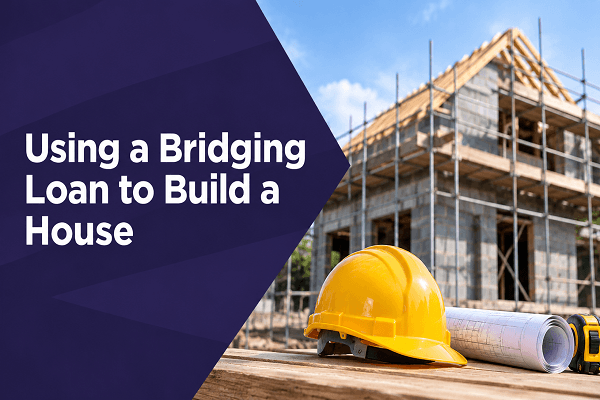
Building a house from the ground up can be an attractive opportunity for property investors and developers. Whether you have found a suitable plot of land, secured planning permission or identified an opportunity to replace an existing building, constructing a new property can offer greater control over the finished development and its potential value.
However, funding a self-build project is not always straightforward. Traditional mortgage lenders are generally more comfortable lending against completed properties, rather than land or buildings that are still under construction. This can leave buyers needing an alternative source of finance to purchase land, pay contractors and cover construction costs.
Bridging finance and development finance can provide a solution, offering short-term funding for different stages of a property development project.
In this guide, we explain how bridging loans can be used when building a house, what costs may need to be covered, how development funding works and what you should consider before starting a self-build project.
Can you use a bridging loan to build a house?
Yes, bridging finance can be used to support certain property development projects, including the construction of new houses.
However, it is important to understand the difference between a standard bridging loan and development finance.
A traditional bridging loan is generally used to provide short-term funding secured against property or land. It can help developers purchase a plot, secure a property before another transaction completes or access funds while arranging longer-term finance.
Development finance is designed specifically for construction projects. Rather than necessarily providing the entire amount at the beginning, funding can be released in stages as the development progresses.
For example, a developer may use bridging finance to purchase a plot of land before arranging development finance to cover the construction of a new house.
In other circumstances, a development finance facility may cover both the land purchase and construction costs, depending on the lender, available security and strength of the project.
The most suitable option will depend on what you are trying to achieve, how much funding is required and how the borrowing will eventually be repaid.
How does bridging finance work for a self-build project?
A self-build project involves purchasing land and overseeing the construction of a new property, either managing the work yourself or appointing contractors to complete the build.
Although the process can vary considerably between projects, finance is generally needed at several stages.
1. Purchasing the land
The first step is finding a suitable plot of land.
Some developers purchase land that already has planning permission, while others look for opportunities where permission has not yet been granted.
Bridging finance can potentially help secure land quickly, particularly when a seller requires a fast completion or the opportunity is unlikely to remain available for long.
The lender will consider the value of the land, the available security and the proposed exit strategy.
If you are looking to purchase land before planning permission has been granted, read our guide to using bridging loans to buy land before planning.
2. Securing planning permission
Once the land has been purchased, the next stage is obtaining the necessary planning permission.
This is an important part of most self-build projects because the permission granted will determine what can be constructed on the site.
Before committing to a purchase, developers should investigate whether the proposed development is likely to receive approval and whether there are any restrictions that could affect the project.
Planning considerations may include:
- The size and design of the proposed property.
- Access to the site and surrounding roads.
- Drainage and utility connections.
- Environmental restrictions.
- Local planning policies.
- Any conditions attached to the permission.
Planning permission does not automatically mean construction can begin immediately. Depending on the project, further approvals, building regulations, technical drawings and other requirements may need to be addressed.
Having these details organised can also help when approaching a lender for development funding.
3. Arranging construction finance
Once the project has progressed sufficiently, the developer can arrange finance to cover the construction work.
Depending on the funding structure, this may include:
- Groundworks and site preparation.
- Foundations and structural work.
- Brickwork and roofing.
- Windows, doors and external finishes.
- Electrical and plumbing installations.
- Heating and insulation.
- Internal plastering and decoration.
- Kitchens, bathrooms and final fixtures.
The lender will generally want to understand the overall construction costs, the expected completion date and the anticipated value of the finished property.
A detailed cost breakdown is important because unexpected expenses can quickly affect the financial viability of a development.
4. Completing the construction
Once the funding is in place, work can begin.
With development finance, funds may be released in stages rather than as one large payment. This allows the available finance to be drawn down as different parts of the construction are completed.
For example, an initial amount may cover groundwork and foundations, with further payments released as the building reaches agreed construction milestones.
This arrangement can help developers manage their available funds and avoid borrowing the full construction budget before it is required.
The exact release process will depend on the agreed facility and the lender’s requirements.
5. Selling or refinancing the finished property
Once construction is complete, the developer will need to repay the finance.
For someone building a property as an investment, this might involve selling the finished house and using the proceeds to clear the outstanding borrowing.
Alternatively, the developer may refinance onto a longer-term mortgage if the intention is to retain the property as a rental investment.
The repayment strategy should be considered before the project begins, rather than left until construction is nearly finished.
What costs can be covered when building a house?
The cost of constructing a new house involves considerably more than purchasing bricks, timber and other building materials.
Depending on the finance facility, funding may be available towards a range of costs associated with the project.
Land purchase
For developers who have not already acquired the site, funding may be required to purchase the land.
The amount available will depend on the value of the land, the proposed development and the security being offered.
Groundworks and foundations
Preparing the site and laying the foundations can represent a significant initial expense.
Costs may include excavation, ground clearance, drainage, access preparation and foundation work.
The condition of the land can have a considerable effect on the final amount required.
Building materials and labour
The main construction stage involves paying for materials, contractors and specialist trades.
This could include bricklayers, roofers, electricians, plumbers, plasterers and other professionals involved in completing the property.
Professional and planning fees
Developers should also budget for the professional services required to get a project off the ground.
These may include:
- Architects and architectural drawings.
- Structural engineers.
- Planning consultants.
- Building control inspections.
- Site surveys.
- Quantity surveyors.
- Legal fees.
Finishing work
The final stage involves making the property ready for occupation, sale or letting.
This could include installing a kitchen, fitting bathrooms, flooring, decorating and completing external landscaping.
Not every lender will fund every expense. The costs that can be included will depend on the facility, the project and the lender’s assessment.
How is development finance released during construction?
One of the main differences between development finance and a standard bridging loan is how the money can be released.
A traditional bridging loan may provide an agreed advance at completion, whereas development finance can be structured around staged drawdowns.
This means that the developer does not necessarily receive the entire construction budget on the first day.
Instead, funds are made available as the project progresses and agreed stages of work are completed.
For example, a typical construction project might involve the following stages:
- Land acquisition and initial site preparation.
- Groundworks and foundations.
- Construction of the main building structure.
- Roofing, windows and external works.
- Internal installations and first fix.
- Plastering, decoration and final finishes.
- Completion and final valuation.
A lender may require inspections or confirmation that certain milestones have been reached before releasing further funds.
This approach helps lenders monitor the progress of a development while allowing the borrower to access money when it is needed.
It is also worth understanding how interest is charged. With some development facilities, interest is calculated on the amount drawn down rather than the full approved facility. This can make a difference to the overall cost of borrowing.
How much can you borrow to build a house?
The amount available for a self-build project depends on several factors, including the value of the land, the expected construction costs and the projected value of the completed property.
Lenders will generally consider the overall financial position of the development rather than looking at the building costs in isolation.
Some of the main considerations include:
- Land value: The value of the site and whether it already has planning permission can influence the amount of finance available.
- Construction costs: A detailed breakdown of the anticipated building expenses helps establish how much funding is required.
- Gross Development Value (GDV): This is the estimated market value of the completed development. It helps lenders assess the potential outcome of the project.
- Loan-to-cost (LTC): This compares the amount being borrowed against the total development costs.
- Loan-to-GDV (LTGDV): This compares the proposed borrowing against the expected value of the completed development.
- Available security: The lender will also consider the value of any property or land being offered as security and any existing borrowing against it.
For more complicated projects, additional security may be required.
The amount that can be borrowed will ultimately depend on the strength of the proposal, the lender’s criteria and whether the expected costs and final property value make financial sense.
You can use our property development finance calculator to explore the figures involved in a development project, including construction costs, funding requirements and projected returns.
What do you need before applying for self-build finance?
Having the right information available before approaching a lender can make it easier to assess whether a project is suitable for funding.
Although requirements will vary, developers should ideally have the following prepared.
Details of the land
The lender will need to understand what is being purchased or used as security.
This includes the location, current value, purchase price, ownership details and any existing finance secured against it.
Planning permission
Where planning permission has been granted, copies of the relevant documents should be available.
If permission is still being sought, this should be explained alongside the current planning position and proposed timescales.
Construction plans
The lender will need to understand what is being built.
Architectural drawings, proposed layouts and details of the intended construction can help demonstrate the scope of the project.
A detailed cost breakdown
A realistic construction budget should account for the main building costs as well as professional fees, materials, labour and other expenses.
It is sensible to include a contingency allowance because unexpected problems can arise once work begins.
An exit strategy
Perhaps the most important part of any bridging or development finance application is explaining how the loan will be repaid.
This could involve selling the completed property, refinancing onto a longer-term mortgage or using another confirmed source of funds.
The proposed exit needs to be realistic and supported by figures that make sense.
What are the risks of using bridging finance to build a house?
Building a new property can offer attractive opportunities, but construction projects also carry risks that need to be understood before borrowing.
Construction delays
Building work does not always progress according to the original schedule.
Bad weather, labour shortages, material availability and unexpected site problems can all delay completion.
If the project takes longer than expected, the borrowing may remain outstanding for longer, increasing the total interest payable.
Rising construction costs
Material prices and labour costs can change during a project.
If the original budget does not allow for these increases, developers may find themselves needing additional funds to complete the work.
A realistic budget with an appropriate contingency can help reduce this risk.
Planning problems
Planning permission is not guaranteed, and even approved applications can come with conditions that affect the proposed development.
If permission is refused or significant changes are required, the project may become more expensive or take considerably longer than expected.
Valuation differences
The expected value of a completed house may not match the final valuation.
If the finished property is worth less than anticipated, this could affect the amount available through refinancing or the proceeds received from a sale.
Problems with the exit strategy
The intended repayment plan may not happen as quickly as expected.
For example, a property may take longer to sell, or a mortgage application may not meet the requirements of the lender approached.
If the bridging or development loan cannot be repaid on time, additional interest and fees may apply.
Risk of repossession
Bridging and development finance are secured against property or land.
If the borrower fails to repay the loan in accordance with the agreement, the lender may take legal action to recover the outstanding balance. This could ultimately result in repossession of the secured property.
It is therefore important to understand the full borrowing costs, the repayment terms and the potential risks before proceeding.
Bridging loans vs development finance: Which is better for building a house?
Although the two types of finance are sometimes discussed together, they serve different purposes.
The right option depends on the stage of the project and the amount of funding required.
| Bridging finance | Development finance |
| Often used for land or property purchases. | Designed for construction and development projects. |
| Can provide a lump-sum advance. | Can provide funding through staged drawdowns. |
| Useful for short-term funding gaps. | Suitable for projects requiring funding throughout construction. |
| Repayment commonly comes from a sale or refinance. | Repayment commonly comes from selling or refinancing the completed development. |
| Can help secure a site quickly. | Can help fund the building work itself. |
For example, a developer may use a bridging loan to purchase a plot of land before securing planning permission.
Once the necessary approvals are in place, they may then move onto a development finance facility to fund the construction of the house.
Alternatively, a suitable development finance facility may cover both the land purchase and construction, depending on the lender’s criteria.
The important thing is to choose a funding structure that reflects the actual requirements of the project.
Can you use a bridging loan to build your own home?
This is an important distinction for anyone considering a self-build project.
There is a difference between building a property as an investment and constructing a house that you intend to live in as your main residence.
Goldhill Finance provides unregulated finance only. It does not provide regulated bridging loans secured against a property that the borrower or an immediate family member lives in or intends to occupy as their main home.
This means that someone looking to build their own permanent home will need to establish whether their proposed borrowing requires regulated self-build finance.
An appropriately authorised lender may be able to offer a regulated self-build mortgage or another suitable funding arrangement.
However, property investors and developers constructing houses for sale or investment may have different financing options available.
The purpose of the borrowing, the property being used as security and the intended occupation of the completed building all need to be considered before applying.
Is bridging finance right for your self-build project?
Using short-term finance to purchase land or fund a property development can help investors move quickly and take advantage of opportunities that might otherwise be difficult to secure.
However, the funding needs to be structured around the project.
A developer purchasing land before planning permission may have different requirements from someone who already owns a site and needs funding for construction.
Similarly, a project involving one detached house will have different costs and considerations from a larger development involving several properties.
Before proceeding, it is important to establish how much finance is required, when the money will be needed and how the borrowing will be repaid.
At Goldhill Finance, we are a direct private lender providing unregulated finance secured against property and land. We consider individual applications based on the available security, funding requirements and proposed exit strategy.
Our development finance facilities can support suitable ground-up residential projects, with funding structured around the requirements of the development.
If you are considering purchasing land or funding a new-build project, contact our team to discuss your requirements and find out whether we can help.