 Skip to content

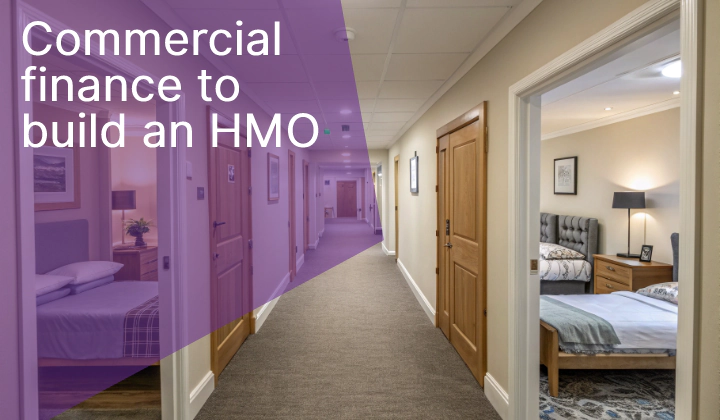
For many property investors, Houses in Multiple Occupation (HMOs) represent one of the most reliable ways to generate extra revenue through rental income on a consistent basis. With strong demand for affordable shared housing in towns and cities across the UK, it’s no surprise that more landlords are turning their attention to HMO investments. But turning a standard property into a profitable HMO can require significant capital, and that’s where a commercial bridging loan can help.
What is an HMO and why are they in demand?
An HMO is a property rented by at least three tenants who are not from one household but share facilities like the kitchen or bathroom. These types of properties are popular with students, young professionals, and key workers because they allow them to be living in high-demand areas but with an affordable option.
From an investor’s perspective, HMOs can deliver a much higher rental yield than standard buy-to-let properties. Instead of a single rent payment, landlords receive multiple income streams from individual tenants. The challenge is that HMO conversions often involve large costs form the outsets namely to cover renovations, or to tick compliance and licensing requirements.
Why traditional finance can fall short
Converting a property into an HMO or purchasing one that needs work usually involves complex timelines. You might need to buy quickly at auction, fund refurbishment work, or wait for local authority licensing before securing long-term tenants.
Traditional mortgage lenders tend to be slow, risk-averse, and reluctant to release funds before all of the needed paperwork is approved and in place. That can leave investors stuck, often making them miss out on competitive investment options or even unable to start work when time is passing them by.
How commercial bridging loans come in
A commercial bridging loan is designed to solve that problem. It’s a short-term, flexible funding option that helps you access capital quickly, usually within a number of days so you don’t have to delay your plans excessively.
For HMO investors, this allows them to use funds to:
- Purchase properties quickly: Especially at auction or from motivated sellers
- Fund renovations and conversions: Including electrical upgrades, additional bathrooms, and fire safety systems
- Bridge the gap before long-term finance: Allowing you to refinance later with a buy-to-let or HMO mortgage once the property is ready
Lenders often give more leeway when thinking about your incomings and will structure things to best suit the loan’s security against the property, which is why this product is seen more favourably to investors and portfolio landlords.
Typical HMO project scenarios
1. Converting a single dwelling into an HMO
You find a three-bed terraced house and want to convert it into a five-bed HMO. A bridging loan can fund the purchase and conversion work, giving you time to complete the project and then refinance once it meets HMO standards.
2. Buying at auction
Auction purchases often require completion within 28 days. With a commercial bridging loan, you can secure funds quickly, complete the sale, and then take your time arranging long-term finance.
3. Expanding an existing HMO portfolio
Landlords with several HMOs may use bridging loans to grow their property numbers by putting the funds towards acquiring new sites carrying out works to increase occupancy and rental yield on existing buildings they hold.
4. Financing compliance upgrades
Local regulations are strict for HMOs. You may need to add fire doors, sprinkler systems, or extra facilities. Bridging finance can cover the cost of these items without needlessly eating into your working capital.
Benefits to HMO investors
Approval is done quick
Applications are typically processed far faster with bridging, meaning you can move quickly on time-sensitive deals.
Better convenience
Bridging lenders understand property development and are open to creative funding structures, joint ventures, or staged drawdowns.
Short-term nature
You only borrow for as long as needed; usually between 6 and 18 months, this reduces what you are expected to pay back at the end.
No early repayment penalties
Many bridging loans allow early repayment without penalties, so you can refinance or sell when it best fits in you own timeline.
Supports value growth
By funding the renovation and upgrade process, a bridging loan can help you increase the property’s value before refinancing on a higher valuation.
What to consider before applying
Always have a clear idea of how you will make the payment back – whether that’s refinancing to a long-term mortgage or selling once the property is complete.
You’ll also need to think of:
- Borrowing fee and interest: Bridging loans are a pricier type of finance but have the caveat of increased flexibility.
- Loan-to-value (LTV): Most lenders will offer up to 70–75% of the property’s value.
- Experience: Having previous property or HMO experience can help deliver a smoother approval.
- Timescale: Please consider a realistic estimate for the project’s duration, taking into account refurbishment, licensing, and occupancy.
HMO licensing and compliance costs
Every HMO must meet local council licensing rules, these are typically set by the council in that area. Be ready to take on extra costs for:
- HMO licence application and renewal fees
- Fire proofing and safety measures
- Soundproofing and structural changes
- Electrical and gas certificates
- Planning permission, if converting or extending
Factoring what you need to cover into your bridging loan ensures you can push forwards on your development without financial barrier getting in the way later.
Refinancing for a long-term solution
Once the property is refurbished and tenanted, you can move to a longer-term product like an HMO mortgage or buy-to-let mortgage. Because the property’s value will have increased, you may also be able to release equity to fund your next project.
This type of model is more common among professional landlords who want to recycle their capital so that they may add more sites to their rental income portfolio.

Working with a specialist lender
Every HMO project is unique, so working with a lender who understands property development is essential. Goldhill Finance specialises in short-term commercial loans, bridge financing, and property investment funding. With direct access to underwriters, they can tailor finance around your expectations and secure a fast, flexible outcome from start to finish.
Conclusion: turning opportunity into income
An HMO can be one of the most profitable property investments to undertake if it is done right from the beginning stages, but timing and funding are everything. A commercial bridging loan provides the agility to secure properties, complete conversions, and unlock long-term returns without delay.
If you’re planning to purchase or expand an HMO, contact Goldhill Finance today to discuss how our short-term business loans and bridging finance can make your project happen.