 Skip to content

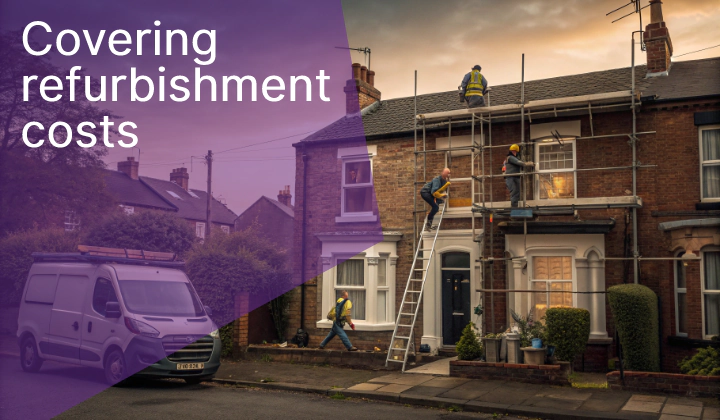
Across the UK, redevelopment projects are making old districts into lively places to live. Developers and investors are taking advantage of increased demand by fixing up houses in areas that were long ignored and in city centres that are now full with life. But getting the proper financing at the right moment is frequently the key to the success of any renovation project, even though the possible returns are high.
We talk about how bridging loans and other types of speciality financing can help investors pay for improvements on properties in locations that are being redeveloped, avoid delays, and make the maximum money in this post.
Understanding regeneration hotspots in the UK
The goal of planned redevelopment or investment in regeneration hotspots is to improve infrastructure, housing, and the economy. These projects could involve anything from transforming entire neighbourhoods in a city to making specific improvements in a neighbourhood, such as providing new transport links or renovating housing.
Current regeneration activity is strong in places like:
- Manchester and Salford where new apartment blocks and co-living spaces are driving investor interest
- Liverpool’s Baltic Triangle, which has become a creative hotspot for young professionals and digital enterprises
- Birmingham’s Jewellery Quarter and Digbeth, which continue to draw developers looking for good deals and high returns
- Leeds South Bank, where large-scale residential and commercial redevelopment is helping long-term growth
- London’s outer boroughs, such Croydon and Barking, where redevelopment is raising property values
These businesses often have a lot of space to grow, but they also have issues including tight project deadlines, complicated planning, and competition for investment. This is when you need flexible property financing.
Why traditional funding is not always suitable
Banks and high-street lenders do offer development loans, yet they often have strict rules and significant wait times for approval. Many property renovations need to be done quickly, particularly when developers buy properties that are worth less than the market value and need money quickly.
Most traditional lenders want:
- A lengthy history of credit along with comprehensive financial records
- Extensive property valuations and underwriting
- Evidence of past project success
- Long approval times that can delay purchase or start-up phases
For investors working in fast-moving regeneration zones, these restrictions can make it extremely impossible to compete with cash purchasers or close deals before they go away.
How bridging loans help property investors move fast
Bridging loans are short-term finance solutions designed to bridge the gap between purchase and a longer-term financial arrangement, such as a mortgage or sale. They are particularly suited to refurbishment projects in regeneration hotspots because they provide rapid, flexible funding that can be used for both acquisition and improvement.
Some of the main benefits of bridging loans for renovation projects are:
- Speed: Developers can get money in days instead of weeks or months, so they can act fast when properties become available.
- Flexibility: Bridging loans can be used for many different types of property, even structures that are just partially decrepit or that can’t be mortgaged.
- Control over cash flow: Borrowers can free up equity tied up in other assets to pay for building or remodelling charges.
- Options for getting out: After the renovations are done, the loan can be refinanced with a buy-to-let mortgage or paid off by selling the property.
Using refurbishment finance strategically
Property refurbishment finance comes in various forms, depending on the scale and purpose of the project. The right product depends on factors such as whether the work is light or heavy refurbishment, how much of the property’s structure will be altered, and what the intended end use is.
- Light refurbishment finance
Covers non-structural improvements such as kitchen and bathroom upgrades, rewiring, and cosmetic renovations. Suitable for quick turnarounds in areas where small improvements can significantly raise market value. - Heavy refurbishment finance
Larger projects involving layout changes, extensions, or conversions typically utilise this type of finance. This type of finance usually involves staged payments as work progresses. - Development exit finance
Once the refurbishment is complete, development exit loans can help release capital while waiting for sale completion, allowing investors to start their next project sooner.
These flexible funding routes allow investors to keep pace with regeneration efforts while maintaining liquidity and momentum across multiple properties.

How to identify profitable regeneration opportunities
Before applying for refurbishment finance, it is important to understand where the next wave of regeneration is happening. Investors can identify promising locations by looking for:
- Government-backed schemes such as the Levelling Up Fund or regional enterprise zones
- Upcoming transport links, for example, new train stations, tram extensions, or road improvements
- Commercial and residential investments, including new retail spaces or large-scale housing developments
- Public and private partnerships, often a sign that an area is about to benefit from sustained economic input
Researching these trends allows investors to focus their refurbishment projects in areas with high growth potential and strong end-buyer demand.
Case study example: Leveraging bridging finance in regeneration
Imagine a developer purchasing a disused warehouse in Birmingham’s Digbeth for conversion into loft apartments. The property is priced below market value but needs extensive work before it becomes habitable.
A traditional mortgage provider may reject the property due to its current state, leaving the developer unable to proceed. By using a 24 hour bridging loan, the developer can secure the property immediately, fund the renovation, and refinance once the work is complete.
This approach speeds up project timelines and positions the investor to take advantage of rising values in a neighbourhood undergoing major regeneration.
Managing risk and maintaining profitability
Although regeneration projects are full of potential, investors should plan carefully to avoid over-leveraging or falling into delays that increase costs.
Tips for managing refurbishment finance effectively:
- Obtain detailed cost estimates before committing to any loan.
- Factor in potential delays in planning or construction.
- Maintain a clear exit strategy, whether through sale or refinancing.
- Work with a lender experienced in development and refurbishment finance.
Choosing a specialist lender like Goldhill Finance can make a significant difference. With expertise in bridging and development finance, Goldhill understands the unique challenges of working in regeneration zones and can tailor funding to suit each stage of your project.
Why timing and flexibility matter
In a competitive market, speed and adaptability often determine profit margins. Developers who can access finance quickly are better positioned to:
- Secure undervalued properties before others do
- Complete refurbishments within regeneration deadlines
- Increase rental yields by upgrading properties ahead of local demand
- Build a portfolio that grows with the surrounding area
Bridging finance acts as a strategic tool for developers who want to stay ahead of regeneration trends while retaining financial control.
The future of UK property regeneration
Government support for regeneration remains strong, especially in regions targeted for economic growth. With ongoing investment in transport, housing, and infrastructure, demand for refurbished properties will likely continue rising.
Investors who align their refurbishment strategies with these projects stand to benefit from both short-term capital growth and long-term rental demand. However, success depends on having reliable finance partners who understand how to structure deals efficiently and release funds without unnecessary delays.
Final thoughts
Refurbishment projects in regeneration hotspots offer exceptional opportunities for developers and investors looking to achieve solid returns. Yet without flexible funding, even the most promising project can stall.
By choosing bridging loans or tailored refurbishment financing through Goldhill Finance, investors can move quickly, manage cash flow effectively, and capitalise on the UK’s most exciting regeneration developments.
Whether you are transforming a disused commercial space or upgrading a residential property to meet modern standards, expert funding advice can help turn your vision into a profitable reality.