 Skip to content

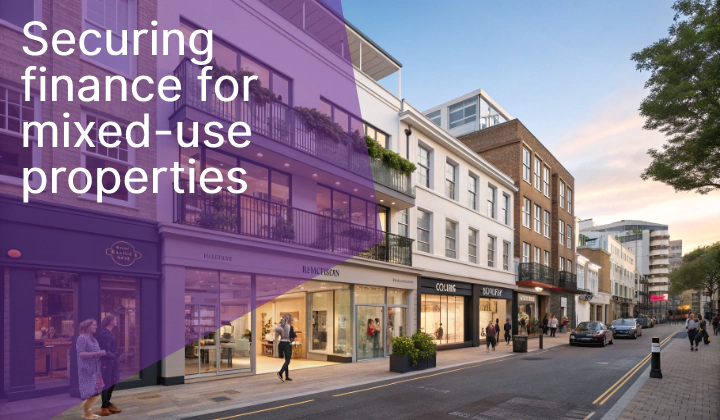
Have you ever heard of a mixed use property? These are the ones that usually have a store or an office on the ground floor and apartments on the upper floors. Investors from the UK are insanely buying them at the moment. They bring in decent profits, your risk is diversified from residential to commercial, and very often you can get them at a price lower than their real value. Therefore it is a win, win situation, right? Well, not quite that simple.
High street banks and regular mortgage lenders are, in general, very negative towards such kind of properties. In short, they are not comfortable with it and usually reject the application straight away. They like things to be very simple: either 100% house or 100% shop/office. Any other option is “too messy” for them.
That’s when bridging loans come to the rescue. They are fast, very flexible, and indifferent to the nature of the building. All they care about is the actual value, your plan, and how you will be making money from it. Task completed.
So, what exactly are these “tricky” properties?
Almost any property found in the UK that has both residential and business spaces can be considered a mixed use property, for example:
- A building that has a shop or café downstairs with flats on top
- A pub or restaurant that has rooms upstairs
- Offices that have flats in the same block
- A warehouse or workshop that has a flat attached
- A big building that has shops, offices, and apartments
- A building that is mostly flats but has one little commercial unit squeezed in
Lenders who provide normal mortgages hardly come near these sorts of properties. You have to go through a lot of hoops like, such as valuations, changing planning permission, proving that the business side is actually making money and much more. A bridging lender will simply look at the deal and decide.
Reasons why banks on the high street get fussy about them are pretty simple. They fail to decide whether it is a house or a commercial building and do not like the fact that they do not have a neat little box to tick. Most of the buildings are quite old and in bad shape; therefore, if your plan is to demolish and do a refurbishment, regular lenders will not support you. Moreover, they are harder to value as they have two totally different income streams and markets. Quite often the planning history is more of a guessing game Their computer just sees shop + flats and immediately screams “NOPE”.
Therefore, many investors opt for a bridging loan to purchase the property, put everything in order, and then obtain a regular long term mortgage when the property is all tidy and tenanted.

Underappreciated gems waiting for their shine
The most common bargains you will find are:
- An empty or poorly conditioned commercial unit that is the main factor for the price to be low
- Worn, out flats that only need a bit of refreshing
- Questionable planning history that scares people off
- Old, unfashionable layouts that you can reconfigure
- Up and coming areas that haven’t quite “arrived” yet
Use bridging to get it at a low price, fix the issues, get tenants on your side, and then do a refinance at the real (much higher) value. Well done.
Refurbs and conversions
The majority of people who take out a 24 hour bridging loan have the place up in their minds, whether it be structural work, cosmetic refresh, or full change of use. The money is most of the time available in stages after the inspector’s visit.
Typical jobs:
- Making the commercial unit appealing to potential tenants
- Refurbishing the flats to a decent standard
- Converting the unused top floors into apartments
- Changing the layout
- Fixing access, fire regulations, etc.
- New boiler, electrics, insulation, all energy, efficiency bits
- Sorting out planning permissions and change of use
The bulk of the profit is coming from planning gains, for instance, changing old commercial to residential (mostly permitted development), adding more flats upstairs, dividing titles, creating live, work units, or even simplifying the mix. All of a sudden, it is worth a lot of money and much easier to get long, term finance.
How to deal with suspect commercial tenants (or none at all)
Bridging might become a concern for lenders if a shop is empty or under, performing, but it provides time to:
- Refurb the unit
- Get a good tenant
- Renegotiate the lease
- Sort signage and layout
- Change the use class if it’s more logical
A solid commercial tenant on a proper lease can raise the valuation by tens (sometimes hundreds) of thousands overnight.
Getting the valuation right
Surveyors have to put more effort into it; they consider residential rents, the strength of the commercial tenant’s covenant, the condition of each part, local demand, and real comparables. Good bridging lenders are not shy of real experts whom they hire to do it right.
The risks
- A commercial tenant may not be reliable
- A refurbishment will almost always take longer and cost you more than you originally anticipated
- The planning can still give you a headache
- Valuations can sometimes be more complicated (and sometimes pricier)
- You will need trustworthy builders
Although none of these points are a reason for a deal to fall through, they are factors that you should always take into account in your budget and timeline.
In conclusion
Once you figure out their financing, these properties can turn into real cash cows. It is precisely those things which frighten regular lenders the most, the layout, the tenants, the work that needs to be done, that bridging finance is the most suitable for. It gives you the speed and the freedom to take them up, bring them up to date, and convert them into solid, long, term investments that high, street banks will suddenly be very interested in.