
Buying a hotel can be a significant investment, but securing the right property is only part of the challenge. You may need to complete a purchase before another buyer steps in, meet an auction deadline or acquire a hotel that requires work before a conventional mortgage becomes an option.
In these situations, a bridging loan can provide short-term finance to help you move ahead with the purchase while you arrange your next stage of funding.
For hotel investors, developers and business owners, the key is understanding when bridging finance makes sense, what lenders will consider and how the borrowing will be repaid.
Why use a bridging loan to buy a hotel?
Hotels can present different challenges from standard residential or commercial property purchases. The building may have been operating as a hotel for years, stood empty for some time or require substantial investment before it can generate income.
Traditional lenders may need more time to assess the property, its condition, trading history and the borrower’s financial position. That can be difficult when a seller expects a quick completion.
A bridging loan provides short-term funding designed around a specific transaction and repayment plan. Depending on the property offered as security, the proposed loan and the lender’s criteria, it may help you:
- Complete a time-sensitive purchase: Move forward when a seller requires a faster completion than a conventional mortgage can accommodate.
- Buy at auction: Access funding towards an eligible hotel purchase where the auction terms impose a strict completion deadline.
- Acquire a property requiring refurbishment: Purchase a hotel that needs repairs or improvements before it is suitable for longer-term finance.
- Secure a property while arranging permanent funding: Complete the acquisition while progressing a suitable commercial mortgage or other longer-term arrangement.
Bridging finance is not intended to replace a long-term commercial mortgage in every situation. Its value lies in helping you complete a transaction when timing, property condition or the availability of longer-term funding creates an obstacle.
When might a hotel bridging loan be suitable?
The right funding structure depends on the purchase, the condition of the hotel and what you intend to do with it after completion.
Buying a hotel at auction
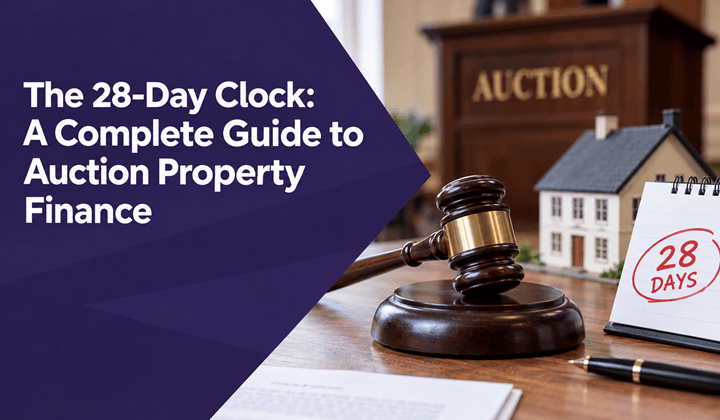
Hotel properties can occasionally present attractive investment opportunities at auction. However, winning the bid usually creates a binding commitment to purchase, with completion required within the period specified in the auction contract.
If you are relying on a conventional commercial mortgage, there is a risk that the valuation, underwriting or legal work will not be completed in time.
A hotel bridging loan may offer a more suitable route where the lender can assess the case and release funds within the required timeframe. The purchase price, available equity, property valuation and legal arrangements will all influence whether the transaction is viable.
Before bidding, establish how much you need to borrow, confirm the lender’s likely timescale and have your solicitor review the auction conditions. Do not assume that finance can be arranged simply because the property appears suitable.
Purchasing a hotel that needs refurbishment
A hotel in poor condition may be difficult to finance through a conventional mortgage, particularly if essential repairs, outdated facilities or building issues prevent it from meeting the lender’s requirements.
Short-term borrowing may help an investor acquire the property before carrying out the necessary work. The aim might be to bring an empty hotel back into use, modernise guest rooms, upgrade facilities or address problems that have affected its value.
However, purchasing the building and funding the refurbishment are two separate considerations. You should establish whether the proposed facility can cover the purchase alone or whether additional funding is available for the planned works.
Prepare a realistic refurbishment budget that accounts for labour, materials, professional fees, contingency costs and any period when the hotel cannot trade. Planning permission, building regulations, fire safety requirements and other applicable obligations should also be considered before committing to the project.
Buying before longer-term finance is ready
You may have identified a hotel with strong potential but need more time to arrange a commercial mortgage or another form of permanent funding.
A bridging loan could allow you to complete the purchase while the longer-term application progresses. Once the necessary conditions have been met, the intention would be to refinance onto a more suitable facility.
This approach depends on the proposed exit being realistic. If the new lender requires the hotel to be fully refurbished, operational or generating a certain level of income, you need to understand those requirements before taking out short-term finance.
An anticipated refinance should never be treated as guaranteed.
What do lenders consider when arranging hotel finance?
Not every lender assesses hotel properties in the same way. Hotels can involve additional considerations because their value may depend on both the building itself and its potential to generate income.
When assessing an application, a lender may consider several factors.
The property and its valuation
The location, size, condition, tenure and market value of the hotel will influence the lending decision. The lender will also assess the suitability of the property as security and the amount of equity available.
The purchase price and loan-to-value ratio
The amount you want to borrow relative to the value of the security is an important consideration. You may need to contribute a deposit or provide additional property as security, depending on the lender’s criteria and the structure of the transaction.
The intended use of the hotel
A fully operational hotel, an empty building and a property undergoing conversion can present very different lending considerations. Your plans for the property will help determine whether the proposed finance is appropriate.
Your experience and financial position
Some lenders may look at your previous property investments, hotel management experience, available capital and the resources needed to complete the purchase and any subsequent works.
Your repayment strategy
Perhaps the most important consideration is how you intend to repay the loan. A lender will want to understand whether the proposed exit is supported by realistic figures and a credible timetable.
The exact requirements will vary between lenders, so it is worth discussing the transaction before making a commitment to purchase.
How much can you borrow to buy a hotel?
The amount available will depend on the lender’s criteria, the property being used as security, its valuation and the overall risk of the transaction.
Some borrowers may have sufficient equity in the hotel itself, while others may need to offer additional property as security. The amount of existing borrowing against any security will also affect the available funds.
It is important to calculate the total amount required rather than focusing solely on the purchase price. Legal costs, valuation fees, arrangement fees, interest and refurbishment expenditure can all affect the funding you need.
For an initial estimate, you can use our bridging loan calculator to explore potential borrowing costs against the value of your proposed security.
Bear in mind that a calculator provides an indication rather than a formal offer. A hotel purchase may involve requirements that need to be assessed individually, so confirm the suitability and availability of finance directly with the lender.
What are the costs of a hotel bridging loan?
Bridging loans are short-term financial commitments, and the total cost needs to be considered alongside the potential benefits of completing the purchase quickly.
The main costs to investigate include:
- Interest: This may be paid monthly, retained from the advance or added to the balance until repayment, depending on the agreed arrangement.
- Arrangement fees: A lender may charge a fee for setting up the facility.
- Valuation costs: The lender may require an assessment of the hotel’s market value and condition.
- Legal fees: You may be responsible for your own legal costs and the lender’s legal costs.
- Exit or redemption fees: Check whether any additional charges apply when the loan is repaid.
The length of the borrowing period matters. If refurbishment takes longer than expected or a planned refinance is delayed, additional interest and other costs may make the transaction less profitable.
Before proceeding, request a clear breakdown of the anticipated costs and calculate the total repayment amount. Allow for delays and unexpected expenditure rather than relying on the most optimistic completion date.
How do you repay the loan?
Every bridging loan should have a clearly defined exit strategy. This is the plan for repaying the outstanding balance, including any interest and fees due.
For a hotel purchase, common possibilities include the following.
Refinancing onto a commercial mortgage
If the hotel becomes suitable for longer-term lending, you may be able to refinance the bridging loan onto a commercial mortgage. The new lender will assess the property, your circumstances and its own lending criteria.
If the hotel requires refurbishment or has yet to establish a trading history, you may need to complete those steps before refinancing is possible.
Selling the property
Some investors intend to improve a hotel’s condition or value before selling it. In this case, the expected sale proceeds must be sufficient to repay the bridging loan and cover the other costs associated with the transaction.
Consider the possibility of a slower sale or a lower-than-expected offer when calculating whether this exit is viable.
Using other available funds
Depending on your circumstances, you may intend to repay the loan through the sale of another asset or funds becoming available from a separate transaction.
Whatever route you choose, make sure it is supported by realistic figures and a suitable timeframe. If the original plan becomes unworkable, refinancing or selling may not be immediately available on acceptable terms.
Are hotel loans and bridging loans the same thing?
The terms used when searching for property finance can be confusing.
Hotel loans is a broad term that may refer to different types of funding for acquiring, refinancing, developing or improving a hotel. Searches for loans for hotel purchases may bring up commercial mortgages, specialist property finance and short-term lending options.
A hotel loan arranged as a commercial mortgage will generally be structured differently from a bridging facility, particularly in terms of the repayment period and the lender’s assessment process.
Bridging finance is designed for short-term borrowing, often where speed or the property’s current condition makes longer-term funding less suitable. It may be appropriate when purchasing a hotel ahead of a refurbishment, sale or refinance, but it is not automatically the right option for every acquisition.
The best route depends on the circumstances of the deal, how quickly you need to complete and what you intend to do with the property afterwards.
Buying a hotel with Goldhill Finance
If you have identified a hotel investment and need to move quickly, it is worth discussing the purchase and your proposed repayment strategy before committing to the transaction.
BridgingLoansUK provides short-term property finance through Goldhill Finance, with lending decisions based on the individual circumstances of each case. The business lends its own funds and considers security across a range of residential and commercial property types.
Hotel purchases can involve specific valuation, operational and security requirements, so the suitability of any proposed facility will need to be confirmed directly.
To discuss your plans, contact us with details of the property, the amount you need, your intended timescale and how you expect to repay the loan.
A clear understanding of the costs, timescales and exit strategy can help you decide whether short-term finance is a sensible way to secure your next hotel investment.